


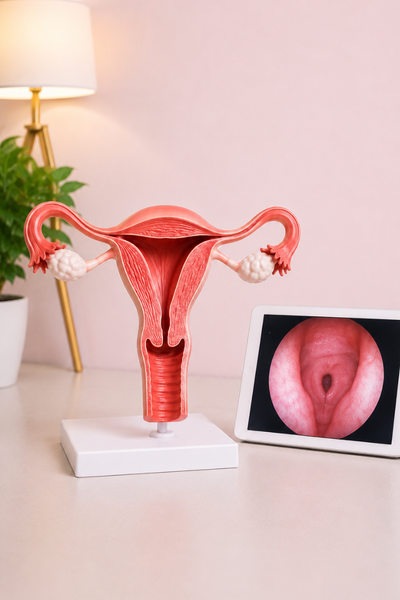
Hysteroscopy And Laparoscopy in Hyderabad

Accurate diagnosis and effective treatment of fertility-related conditions are essential for improving reproductive outcomes. At Fertilica IVF, we offer advanced Hysteroscopy and Laparoscopy in Hyderabad to diagnose and treat a wide range of gynecological and fertility issues. These minimally invasive procedures allow our specialists to evaluate the uterus, fallopian tubes, ovaries, and pelvic cavity with precision while which may offer smaller incisions and recovery benefits compared with open surgery in appropriate cases; outcomes and risks depend on the procedure.. Hysteroscopy and laparoscopy play a crucial role in identifying and correcting conditions that may affect fertility, helping clinicians assess and, where appropriate, treat conditions that may affect fertility.
What is Hysteroscopy and Laparoscopy?
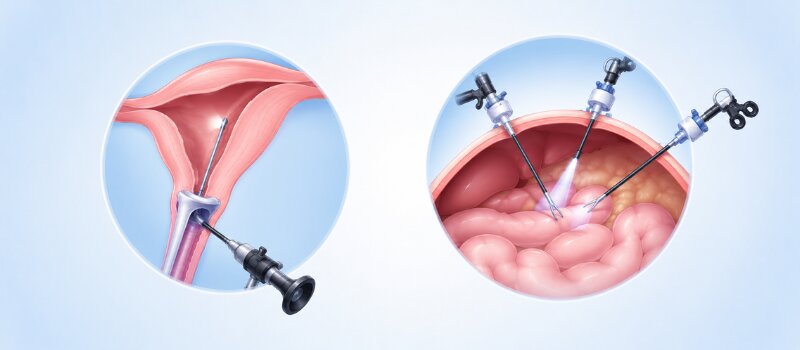
Hysteroscopy and laparoscopy are minimally invasive surgical procedures used to diagnose and treat fertility-related and gynecological conditions.
Hysteroscopy
Hysteroscopy involves inserting a thin, lighted telescope called a hysteroscope through the cervix into the uterus. This allows the doctor to directly examine the uterine cavity and treat abnormalities such as polyps, fibroids, adhesions, uterine septum, and abnormal bleeding.
Laparoscopy
Laparoscopy involves making small incisions in the abdomen through which a laparoscope (a thin camera-equipped instrument) is inserted to examine the pelvic organs, including the ovaries, fallopian tubes, uterus, and surrounding structures.
These procedures are commonly used for diagnosing and treating:
- Endometriosis
- Uterine fibroids
- Uterine polyps
- Pelvic adhesions
- Blocked fallopian tubes
- Ovarian cysts
- Congenital uterine abnormalities
- Unexplained infertility
How Does Hysteroscopy and Laparoscopy Work?
Step 1
Fertility Assessment
A comprehensive fertility and gynecological evaluation is performed to determine the need for hysteroscopy, laparoscopy, or both.
Step 2
Diagnostic Investigations
Ultrasound scans, blood tests, HSG, and fertility assessments help identify possible reproductive abnormalities.
Step 3
Personalized Treatment Planning
A customized surgical plan is created based on the patient's symptoms, fertility goals, and diagnostic findings.
Step 4
Pre-Operative Counselling
Patients receive detailed information about the procedure, benefits, risks, and expected recovery.
Step 1
Hysteroscopy Procedure
A hysteroscope is inserted through the cervix to inspect the uterine cavity and perform corrective procedures if necessary.
Step 2
Laparoscopic Examination
Small abdominal incisions allow the laparoscope to visualize the pelvic organs to visualise the relevant pelvic organs and structures.
Step 3
Treatment of Identified Conditions
Conditions such as endometriosis, fibroids, adhesions, ovarian cysts, or blocked tubes can often be treated during the same procedure.
Step 4
Advanced Minimally Invasive Techniques
The surgical approach depends on the condition being treated, with the aim of limiting unnecessary tissue disruption while addressing the clinical problem.
Step 1
Post-Procedure Recovery
Recovery time and hospital stay depend on the procedure performed, the patient's health and whether complications occur.
Step 2
Follow-Up Evaluation
Recovery progress and surgical outcomes are reviewed during follow-up appointments.
Step 3
Fertility Treatment Planning
Based on surgical findings, specialists may recommend natural conception, ovulation induction, IUI, IVF, or other fertility treatments.
Step 4
Ongoing Reproductive Care
Patients receive personalized guidance to optimize fertility and reproductive health after treatment.
Hysteroscopy and Laparoscopy: Treatment Outcomes
Hysteroscopy and laparoscopy are used to investigate and treat selected gynaecological conditions. The potential benefits depend on the underlying diagnosis, the type of procedure performed and individual clinical circumstances. Hysteroscopy may help identify or treat certain abnormalities within the uterine cavity, such as polyps, adhesions or selected fibroids. Laparoscopy may be used to assess or treat conditions involving the pelvic organs, including endometriosis, adhesions and certain ovarian or tubal problems.
Treatment does not guarantee pregnancy. In some cases, surgery may help address a condition associated with infertility; in others, it may not improve the likelihood of conception, and additional fertility treatment may be appropriate. Your specialist can explain the expected benefits, limitations, risks and recovery requirements based on your diagnosis and reproductive goals.
| Patient Age | Success Rate | Notes |
|---|---|---|
| Under 30 Years | 60% – 75% | Excellent fertility outcomes after corrective procedures |
| 30 – 34 Years | 55% – 70% | High pregnancy potential with timely treatment |
| 35 – 37 Years | 45% – 60% | Depends on ovarian reserve and underlying condition |
| 38 – 40 Years | 35% – 50% | Age-related fertility decline may affect outcomes |
| Above 40 Years | 20% – 35% | Additional fertility treatments may be recommended |
Hysteroscopy and Laparoscopy Cost in Hyderabad
At Fertilica IVF, we are committed to providing transparent and ethical fertility care. The cost of hysteroscopy and laparoscopy in Hyderabad depends on the complexity of the procedure, hospital facilities, anesthesia requirements, and whether diagnostic or operative treatment is performed.
Our team provides a detailed treatment estimate before surgery, providing an estimate of expected charges and the services included before the procedure.
Factors Affecting Hysteroscopy and Laparoscopy Cost
- Initial fertility consultation and evaluation
- Diagnostic tests and imaging studies
- Type of procedure (diagnostic or operative)
- Complexity of the condition being treated
- Hospital and operating room charges
- Anesthesia fees
- Surgical equipment and consumables
- Length of hospital stay
- Post-operative medications and follow-up visits
- Additional fertility treatments after surgery
Hysteroscopy and Laparoscopy Cost Comparison in India & Worldwide
| Country | Approximate Cost |
|---|---|
| India | ₹50,000 – ₹1,50,000 |
| USA | $3,000 – $10,000 |
| UK | £2,500 – £8,000 |
| UAE | AED 8,000 – AED 25,000 |
| Singapore | SGD 4,000 – SGD 12,000 |
| City | Approximate Cost |
|---|---|
| Hyderabad | ₹50,000 – ₹1,50,000 |
| Bangalore | ₹60,000 – ₹1,75,000 |
| Chennai | ₹55,000 – ₹1,60,000 |
| Mumbai | ₹75,000 – ₹2,00,000 |
| Delhi | ₹70,000 – ₹2,00,000 |
Why Consider Fertilica IVF for Hysteroscopy and Laparoscopy in Hyderabad?
Fertilica IVF & Women's Care Center offers hysteroscopy and laparoscopy services for the assessment and management of selected gynaecological and fertility-related conditions. Hysteroscopy allows the specialist to examine the inside of the uterus, while laparoscopy provides access to the pelvic organs through small abdominal incisions. The appropriate procedure depends on the patient's symptoms, diagnostic findings and medical needs.
Before surgery, patients can discuss the proposed procedure, potential benefits and risks, anaesthesia, expected recovery and possible alternatives with their healthcare team. Where relevant, findings may inform subsequent fertility planning, including consideration of natural conception, IUI or IVF. Fertilica IVF provides fertility consultations at its centres in Banjara Hills and Karmanghat, Hyderabad. A specialist can assess whether either procedure is appropriate and explain the expected next steps based on individual clinical findings.
Who May Need Hysteroscopy or Laparoscopy?
Hysteroscopy or laparoscopy may be recommended when symptoms, examination findings or diagnostic tests suggest a gynaecological condition that requires further assessment or treatment.
Uterine abnormalities: Hysteroscopy may be considered for selected uterine polyps, adhesions, fibroids affecting the uterine cavity or other intrauterine abnormalities.
Suspected endometriosis: Laparoscopy may be considered in selected cases based on symptoms, examination findings and previous investigations.
Pelvic adhesions or tubal concerns: Further assessment may be appropriate when pelvic disease or tubal abnormalities are suspected.
Abnormal uterine bleeding: Hysteroscopy may help investigate certain causes of bleeding inside the uterine cavity.
Infertility or recurrent pregnancy loss: The need for either procedure depends on the suspected cause, previous investigations and whether the findings are likely to change management.
Not everyone experiencing infertility needs surgery. Your specialist can explain whether hysteroscopy, laparoscopy, another investigation or non-surgical management is appropriate for your circumstances.
How to Prepare for Hysteroscopy and Laparoscopy — Pre-Procedure Checklist
Proper preparation before hysteroscopy and laparoscopy can help patients understand pre-operative instructions, recovery expectations and follow-up care. At Fertilica IVF, our specialists provide comprehensive guidance before, during, and after treatment to help you feel confident and well-prepared.
Medical Preparation
Complete a detailed fertility consultation and diagnostic evaluation before the procedure. Your specialist may recommend blood tests, an ECG, ultrasound scans, or other imaging studies to assess your overall health and surgical readiness. Inform your doctor about any current medications, allergies, previous surgeries, or existing medical conditions so that appropriate precautions can be taken.
Procedure Preparation
Follow all pre-operative instructions provided by your healthcare team, including fasting requirements before surgery. Arrange transportation to and from the hospital, as you may not be able to drive after the procedure. If hospital admission is required, ensure that all necessary documentation and admission formalities are completed in advance.
Lifestyle Preparation
Stop smoking several weeks before surgery, as smoking can increase surgical risks and delay recovery. Maintain a healthy, balanced diet and stay well-hydrated to support healing and overall health. Avoid alcohol consumption before the procedure and follow any additional lifestyle recommendations provided by your specialist.
Recovery Planning
Plan for adequate rest and recovery after surgery by arranging time away from work and daily responsibilities if needed. Take all prescribed medications as directed and follow post-operative care instructions carefully. Attend all scheduled follow-up appointments so your specialist can monitor healing and discuss future fertility treatment options based on the procedure findings.
Proper preparation and expert surgical care can help ensure a smooth procedure, appropriate post-operative care and follow-up.
Frequently Asked Questions
Everything you need to know about Hysteroscopy And Laparoscopy at Fertilica


